


28 Jul No One Should Suffer in Silence
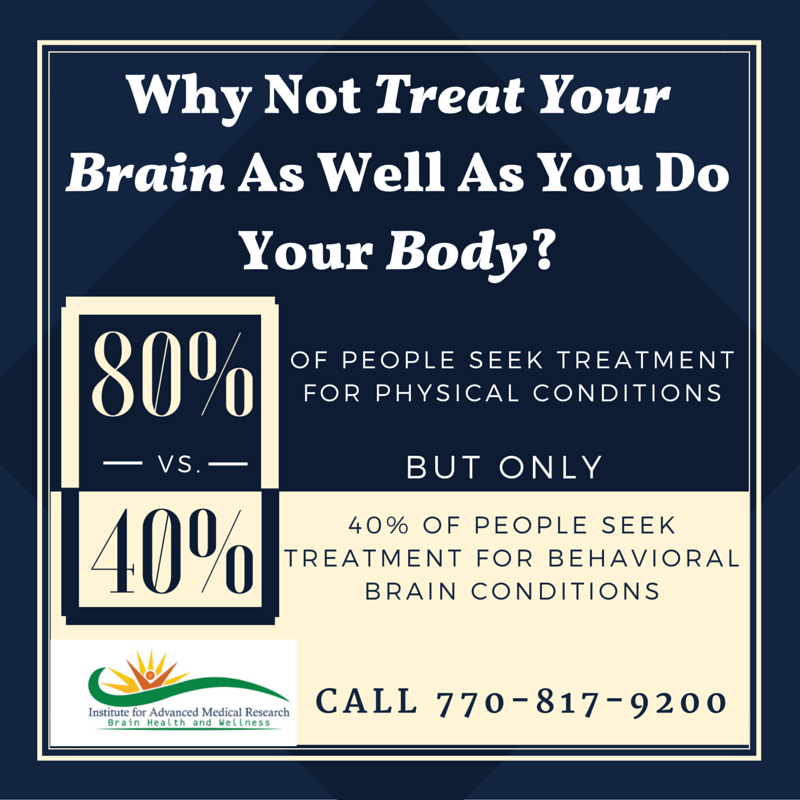 Why do people neglect their mental health so much more than their physical health? According to research, 80% of adults who experienced a physical condition went to a physician while only 40% of adults who experienced a mental condition sought medical care. Every year, thousands of people enter clinical trials for cancer, multiple sclerosis, ALS, chronic pain, among other physical ailments in the hopes that a trial will improve their quality of life, find relief for their symptoms, or extend their life. Yet it seems that clinical trials for mental illness are never seen or sought after in the same regard. People are so quick to try and find treatment for any physical ailment they experience but they are much more resistant to treating their mental disorders. However, both affect the human body biologically; the only difference between the two is the affected area of the body. Why do people readily neglect their mental health?
There are three main reasons:
- Societal stigmas
- Those diagnosed with mental disorders are often discriminated against by the uninformed general population. In the past, people with these disorders were institutionalized because people did not understand the science behind the disorders. We have come a long way since then, but even today with all of the information available, people do not fully understand mental disorders, so many have wrong ideas as to what they entail. A mental disorder is a chemical imbalance in the brain that can be treated medically– they’re just like any other ache or pain you would go to the doctor for! Mental disorders, such as depression or anxiety, have many societal perceptions attached. Similarly, many other disorders such as Lou Gehrig’s disease (ALS), multiple sclerosis, Alzheimer’s, and Parkinson’s also originate in the brain and affect behavior, yet seeking treatment for those is not considered disgraceful.
- Easy to ignore
- Oftentimes, it is easier to ignore mental discomfort than persistent pain. Pain physically prevents you from doing things; you may not be able to garden or pick up your children if you have chronic joint pain. Though mental disorders don’t physically prevent you from doing things, they often affect your quality of life in the same kind of way. People with untreated mental disorders may neglect their families because going to the movie theatre, or volunteering at the elementary school, just sounds like torture. Getting the right treatment and thus being better able to participate in your daily life could be life-changing, for both you and your family.
- Cost
- It’s no secret that going to the doctor is expensive. You could pay upwards of $200 to see the doctor for 15 minutes, and then even more filling a prescription. For people without insurance, this cost is often unbearable and therefore they elect to not get help. Many people however forget that visiting their primary care physician is not their only option. Medical research is an alternative approach to addressing their symptoms. At the Institute for Advanced Medical Research, you will receive a full diagnostic evaluation by a professional and a clinical follow-up all at no cost except for your time. This will not only answer your questions but also provide direction as to your options about feeling better.
Both physical and mental conditions require your attention. Why not treat your brain as well as you do your body? Call us today at 770-817-9200 and learn more about your treatment options.