


21 Mar Poor Grades? Is It ADHD or Something More?
As paren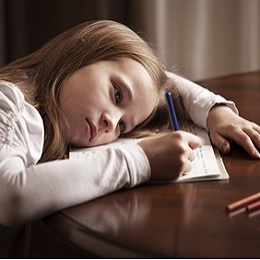 ts, one of the most important goals is to be able to help your child reach his/her fullest potential. When your child comes home with poor grades, it is easy to immediately start hiring tutors, plan a teacher conference in order to discuss studying tips or even blame the student’s inabilities, such as not working hard or studying enough. However, thinking that your child is only failing school because of their shortcomings is an assumption that fails to take into account other possible causes. Other parents may schedule an attention deficit hyperactive disorder (ADHD) evaluation at their pediatrician’s office because they believe that their teenager or child is having difficulty concentrating. For some teens, poor concentration and low motivation, distractibility and overall difficulty in school may be nothing more than ADHD. However, in the age of the ADHD epidemic, it is easy to lose sight of the fact that there are other conditions that manifest themselves in the form of similar symptoms.
Causes such as depression, anxiety, bipolar disorder, divorce, social anxiety, and bullying can all also lead to poor performance in school. So, as a concerned parent, it is oftentimes difficult to pinpoint the exact cause of a symptom like bad grades. The solution? Look to your child and take note of the cognitive and behavioral symptoms they are displaying. Do they tend to avoid others, are withdrawn, sullen, or perhaps even gothic in their demeanor? If they are not only having a hard time concentrating but also have significant short-term memory loss, make poor decisions, negative and/or distorted thinking or even failing out of school classes, the cause may be entirely different. If these symptoms are present, consider an evaluation.
Depression is a very common medical condition that is characterized by flat emotions, feelings of guilt or worthlessness, loss of interest or pleasure, changes in sleeping pattern or appetite, social withdrawal, poor self esteem, chronic fatigue, and poor concentration. It is important to recognize these specific symptoms and seek help that will effectively treat the symptoms. Depression manifests itself differently depending on each person, that is symptoms are experienced slightly differently by each person. If you believe that your child may be experiencing depression, please call the Institute for Advanced Medical Research at 770-817-9200.