


30 Apr The Evolution of Fibromyalgia
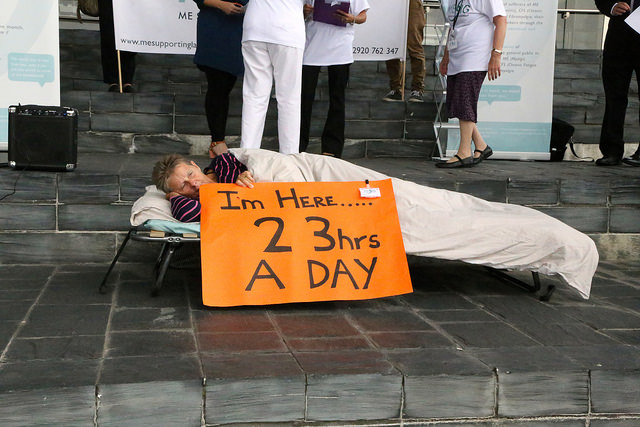 It wasn’t always called fibromyalgia. It wasn’t even classified as a medical disorder until recently. When many of the first recorded patients reported the symptoms associated with fibromyalgia to their doctors, medical professionals thought that these patients had a mental disorder; those afflicted were generally thought to be seeking attention by detailing their all-encompassing fatigue.
1592: Muscular rheumatism was a term used for this condition
1880: An American doctor documented an ailment characterized by enveloping pain and mental problems.
Early 1900s: A British doctor wrote that the symptoms of this condition seemed to get worse when air pressure was low, and when it rained.
1904: The term fibrositis was adopted by the medical community with “fibro” referring to muscle fibers and “itis” used to denote inflammation.
Mid-1970s: The term “fibromyalgia” was established to replace chronic fatigue syndrome using Latin and Greek words to describe muscle fiber pain.
1987: The American Medical Association acknowledged fibromyalgia as a genuine physical condition.
1990: The first guidelines to help medical professionals diagnose fibromyalgia were published by the American College of Rheumatology.
2005: The American Pain Society put forth protocol for the treatment of a patient with fibromyalgia the resulting insomnia.
2007: The FDA approved the first pharmaceutical treatment.
According to the American College of Rheumatology, fibromyalgia affects 2-4% of the population, with most of those diagnosed being women. Typically, women diagnosed with fibromyalgia are between 20 and 55 years of age. Women going through menopausal changes may experience some symptoms that mimic fibromyalgia symptoms, with these symptoms being caused by changes in estrogen levels, as well as a loss of calcium.
Based on recent studies, over 90% of those with fibromyalgia also have significant sleep deprivation.
The NIH reports that $10 million U.S. dollars were spent on fibromyalgia research in 2014 with another $10 million estimated to be spent on research in 2015. Learning more about the specifics of this disease is the first step in developing viable treatment options, and ultimately a cure. Contact our team at 770-817-9200 to learn more about clinical trials in fibromyalgia.
(1)Fibro Center; “History of Fibromyalgia”; http://fibrocenter.com/fibromyalgia-disease.aspx
(2) Fibromyalgia Symptoms; “The History of Fibromyalgia”; http://www.fibromyalgia-symptoms.org/fibromyalgia-history.html
https://www.rheumatology.org/Practice/Clinical/Patients/Diseases_And_Conditions/Fibromyalgia/
(3) News Medical; “History of Fibromyalgia” by Ananya Mandal, M.D.; http://www.news-medical.net/health/History-of-Fibromyalgia.aspx
(4) “History of Fibromyalgia: Past to Present” by Fatma Inanici, M.D., and Muhammad B. Ynus, M.D.;
http://ccs01.vo.ca-cncx.net/o41/5507/bw/bs/FPCR20080012/articles/LA11FM.pdf
(5) NIH Research Portfolio Online Reporting Tools; “Estimates of Funding for Various Research, Condition, and Disease Categories”; http://report.nih.gov/categorical_spending.aspx
Photo credit: https://www.flickr.com/photos/nationalassemblyforwales/sets/72157647254719259